
Hurricane & Storm-Surge Mold in Naples, FL
After surge, flooding or a roof leak, the clock starts on mold. We'll help Naples and Collier County homeowners get quotes from Florida-licensed mold assessors and remediators.
Get a Free Quote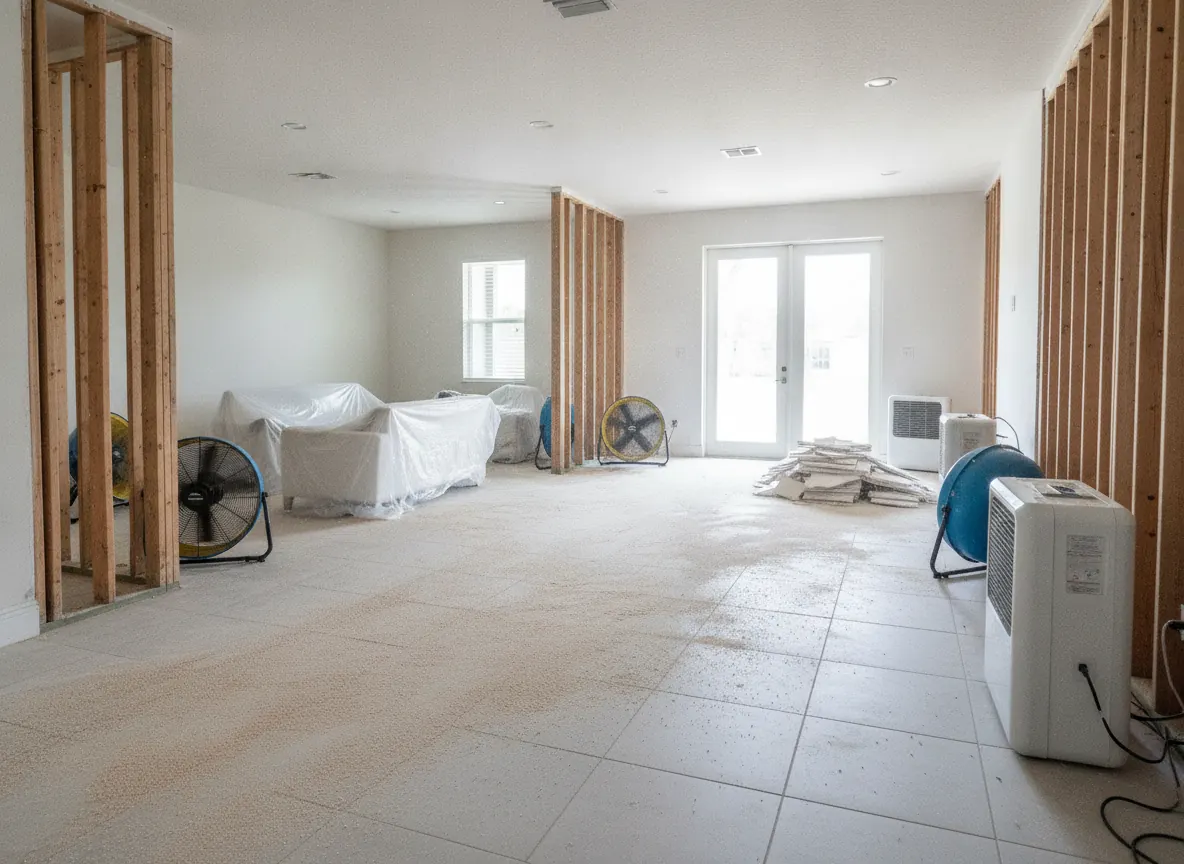
The 24–48 hour window
EPA's mold guide says: "It is important to dry water-damaged areas and items within 24-48 hours to prevent mold growth." After a hurricane in Naples that is hard: power may be out, roads closed and contractors stretched thin. Whatever you can safely do in those first two days, such as getting water out, opening up and pulling soaked carpet, baseboards and the bottom of wet drywall, and photographing everything for insurance, reduces how much material ends up moldy.
Naples FL Mold Remediation is a free quote and referral service. We connect Naples and Collier County homeowners with Florida-licensed mold assessors and remediators. Tell us what happened and we'll help you get quotes. Ask any company for its Florida license number and verify it at MyFloridaLicense.com, especially after a storm, when out-of-area crews arrive.
What Ian and Irma did to Naples
Hurricane Ian (Sept. 28, 2022). According to the National Hurricane Center's report, the Naples Pier gauge recorded 6.18 ft above mean higher high water before the station was destroyed, so its readings are incomplete. NHC reports maximum inundation of 6 to 9 ft above ground in Naples and 8 to 12 ft above ground in North Naples, and 4 to 6 ft from Marco Island through Everglades City, where the highest high-water mark on Marco Island was 4.7 ft above ground. The National Weather Service in Miami says surge flooded most areas south and west of US 41/Tamiami Trail and near the Gordon River, Cocohatchee River and connecting creeks and canals. NWS put Collier County damage at $2.2 billion, including $989 million in the City of Naples, with 3,515 buildings reporting major damage.
Hurricane Irma (Sept. 10, 2017). NWS Miami says Irma made landfall on Marco Island as a Category 3 storm. Surge reached 3–4 ft at the Naples Gulf and Naples Bay waterfronts, the Naples Bay gauge rose 8 ft in just over 9 hours, and about 9–15 inches of rain fell across inland Collier. More than 90% of customers lost power for more than a week, which meant no air conditioning in September heat.
Both storms show the two ways hurricanes cause mold here: salt water pushed into ground floors near the coast, and rain, roof leaks and long power outages inland.
Where storm mold hides
- Inside walls above the cut line, where water wicked up drywall and insulation
- Under vinyl, laminate and tile, and in carpet pad
- Base cabinets, vanities and toe-kicks
- Ductwork, air handlers and returns that took in water (see AC & HVAC mold)
- Attics and ceilings below wind-damaged roofs
- Homes closed up during or after the storm by seasonal owners who weren't here to dry them out (see seasonal home mold)
An independent licensed assessment maps moisture and growth so the tear-out is no bigger than needed. See mold inspection & testing. If anyone in the home has health concerns after a flood, talk to a doctor.
Permits after a storm in Collier County
Collier County's post-hurricane guidance says: "For the clean up and removal of wet drywall, cabinets, carpeting, and baseboards, permits will not be required." It also asks owners to keep demolition to the minimum needed, and it says "a building permit is required for all repair, replacement and rebuild work" and "all commercial and multi-family buildings will require a permit for any work performed." The county adds that "any homeowners or flood insurance claims made will require a permit and 50% documents." City of Naples properties go through the city's Building Department, which set up emergency permitting after Ian.
The 50% rule and mold tear-out
In flood hazard areas, both the City of Naples and Collier County apply the FEMA substantial-damage rule:
- City of Naples: "Substantial Damage is defined as damage of any origin sustained by a structure whereby the cost of restoring the structure to its 'before damage' condition would equal or exceed 50% of the market value of the structure," and repair costs "must include all costs necessary to fully repair the structure." The city removed its one-year cumulative look-back from its substantial improvement definition in Ordinance 2024-15508, adopted Dec. 4, 2024.
- Unincorporated Collier: "if the repair amount is equal to or exceeds 50% of the improved value of the structure before the event," the structure "must comply with current elevations standards outlined in the Florida Building Code 8th edition." The county says the rule applies in the special flood hazard area "regardless of the cause of damage," that "land value is excluded," and that "a property owner cannot make incremental improvements to repair a structure." Improved values are on the Collier County Property Appraiser's site.
Because repair costs count toward that threshold, ask your local building department how mold-related tear-out and rebuild costs are counted, and get every remediation and rebuild scope in writing. The City of Naples Building Department is at 239-213-5020, and Collier's Flood Info Hotline is (239) 252-2942. Our post on the 50% rule in Naples and Collier and our article on mold after Hurricane Ian explain more.
This is general information, not legal advice.
Typical costs after flood or storm damage
| Item | Typical range |
|---|---|
| Per square foot of affected area | $10–$30 |
| Medium area (100–200 sq ft) | $1,000–$6,000 |
| Large area (~500 sq ft) | $5,000–$15,000 |
| Whole house / ~1,000 sq ft | $10,000–$30,000 |
| HVAC system and ducts | $3,000–$10,000 |
Note: remediation quotes may not include inspection or clearance testing (This Old House). The real price comes from a licensed pro's on-site assessment.
See the full cost guide, or request free quotes and tell us whether the water was surge, rain or a roof leak.
Frequently asked questions
How long after a flood does mold start to grow?
EPA's mold guide says it is important to dry water-damaged areas and items within 24–48 hours to prevent mold growth. After that window, wet drywall, insulation, carpet pad and cabinets become much more likely to grow mold. If your Naples home took on water and could not be dried quickly, have the affected areas assessed by a Florida-licensed mold assessor.
Do I need a permit to tear out wet drywall after a hurricane?
In unincorporated Collier County, the post-hurricane guidance says removing wet drywall, cabinets, carpeting and baseboards does not require a permit, but all repair, replacement and rebuild work does, and any work in multi-family buildings needs one. City of Naples addresses should check with the city Building Department. Keep demolition to the minimum needed.
Does mold remediation count toward the 50% rule?
Both the City of Naples and Collier County compare the cost of repairing a structure in a flood hazard area with 50% of its value; the city says repair costs must include all costs necessary to fully repair the structure. Ask your building department how tear-out and rebuild are counted, and keep scopes in writing. This is general information, not legal advice.
How high was Hurricane Ian's storm surge in Naples?
The National Hurricane Center reports the Naples Pier gauge recorded 6.18 ft above mean higher high water before the station was destroyed, so that reading is incomplete. NHC estimates maximum inundation of 6 to 9 ft above ground in Naples and 8 to 12 ft in North Naples. On Marco Island the highest high-water mark was 4.7 ft above ground.
Is it mold if my house smells musty months after a storm?
A persistent musty smell after flooding often means moisture and growth are hidden inside walls, under flooring, in cabinets or in the AC system. It can show up months later, especially in homes closed up for the season. An independent, Florida-licensed mold assessor can check moisture levels and find the source before any more material is removed.
Seeing or smelling mold? Get a clear plan.
Free, no-pressure quotes from Florida-licensed pros across Naples, Marco Island, Golden Gate and Collier County.