
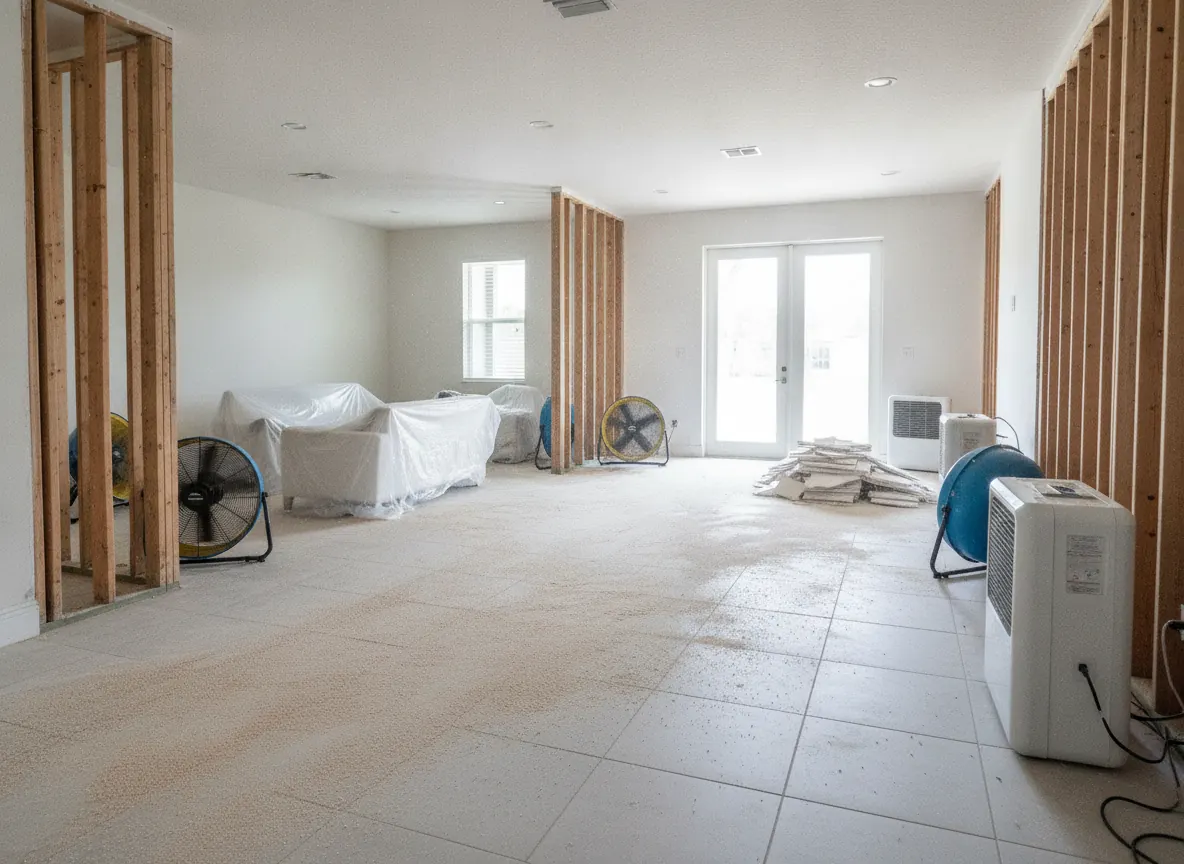
Hurricane Ian came ashore on Florida's Gulf coast north of Collier County as a Category 4 storm on September 28, 2022, and in Collier, storm surge was the main hazard (NWS Miami). The numbers from the National Hurricane Center (NHC) and the National Weather Service (NWS) Miami office show how much water reached Naples homes:
- The Naples Pier tide gauge recorded 6.18 ft above mean higher high water before the station was destroyed, so the true peak was likely higher (NHC).
- NHC says "maximum inundation of 6 to 9 ft AGL occurred in Naples," meaning 6 to 9 feet of water above ground level.
- NHC reports 8 to 12 ft above ground in North Naples, and 4 to 6 ft from Marco Island through Everglades City, with the highest high-water mark on Marco Island at 4.7 ft above ground.
- NWS Miami lists $2.2 billion in damage in Collier County, including $989 million in the City of Naples, and 3,515 residential and commercial buildings with major damage.
When that much saltwater sits in homes and then drains away, mold is one of the long-tail problems. Some of it was found and handled in the months after the storm. Some of it wasn't.
How fast mold can start after a flood
EPA's "A Brief Guide to Mold, Moisture and Your Home" says "it is important to dry water-damaged areas and items within 24-48 hours to prevent mold growth." After Ian, that was rarely possible. Roads were blocked, power was out for days (NWS Miami counted a peak of 201,095 customers without power), and thousands of homes needed drying at the same time. Naples' climate didn't help: late September sits in the wettest stretch of the year. NOAA's 1991–2020 normals for Naples Municipal Airport show June through September bringing about 66% of the area's 49.55 inches of annual rain.
Why mold can still turn up years later
A home can look repaired and still have a moisture or mold problem inside the structure. Common reasons include:
- Drywall cut too low: water wicks up drywall and insulation above the visible waterline. If the cut-out stopped short of the wet material, damp drywall may have been left behind and covered over.
- Framing closed up before it dried: new drywall over studs, sill plates or sheathing that still held moisture can trap it in the wall.
- Hidden cavities: spaces behind cabinets, under built-ins, beneath flooring and inside soffits are easy to miss during a rushed cleanup.
- Air conditioning systems: air handlers, ductwork and drain pans that took on water or ran in damp conditions can hold contamination. See AC and HVAC mold.
- New leaks on old damage: roofs, windows and plumbing stressed by the storm can leak later, re-wetting materials that were never fully dried.
- Homes bought after the storm: if you bought a surge-affected home, you may not know how the cleanup was done or who did it.
Signs to watch for
- A musty smell, especially when the AC first kicks on or after the house has been closed up.
- Staining, bubbling paint or swelling along the lower part of walls, baseboards or door casings.
- Flooring that has cupped, lifted or feels soft.
- Visible growth inside cabinets, closets or around the air handler.
- Mold that comes back after cleaning, which points to a moisture source that hasn't been fixed.
Many people search for "black mold after a hurricane." The color of a growth doesn't tell you much on its own, and EPA notes that "in most cases, if visible mold growth is present, sampling is unnecessary." What matters is how big the affected area is and what's keeping it wet.
Seasonal owners: the return-home surprise
About 40.8% of all housing units in the City of Naples and 49.2% on Marco Island are vacant "for seasonal, recreational, or occasional use," according to the American Community Survey (2020–2024). For seasonal owners, a home that was repaired after Ian and then closed up for the summer can come back with a smell or stain no one noticed before. If that sounds familiar, our seasonal home mold page explains what usually happens next, and our summer close-up checklist covers prevention.
What to do if you suspect hidden storm mold
Find and stop the moisture
EPA warns that "if you clean up the mold, but don't fix the water problem, then, most likely, the mold problem will come back." A leak, a condensate problem or high indoor humidity has to be fixed first.
Gauge the size
EPA says homeowners can usually handle a moldy area of "less than about 10 square feet," roughly a 3 ft by 3 ft patch. Hidden storm damage is often bigger than it looks once walls are opened.
Get a licensed assessment
Florida Statutes s. 468.8411 defines mold assessment and remediation as covering more than 10 square feet, and that work requires a state license. A licensed assessor can map moisture and write a remediation scope.
Hire a separate licensed remediator
Under s. 468.8419, an assessor can't remediate a structure the assessor's company assessed within the past 12 months (and the reverse), so the two are typically separate companies, except Division I certified contractors under the statute.
Plan the rebuild and permits
Collier County says removing wet drywall, cabinets, carpeting and baseboards after a storm doesn't need a permit, but "a building permit is required for all repair, replacement and rebuild work." Multi-family buildings need a permit for any work.
During remediation, crews typically set up containment, remove affected materials, clean and dry the framing, and run air scrubbers and dehumidifiers until the area is ready for clearance. The process page walks through each step.
The 50% rule and storm repairs
If your home is in a flood hazard area and took heavy damage, the substantial-damage or "50% rule" may apply to the repairs. The City of Naples says repair costs "must include all costs necessary to fully repair the structure," so remediation and rebuild scopes matter. Read The 50% Rule Explained for Naples and Collier Homeowners before you sign a large repair contract.
What it may cost
Typical national ranges from cost guides (2025–2026, not quotes) put a typical mold remediation job at $1,200–$3,750, a medium area of 100–200 sq ft at $1,000–$6,000, a large area of about 500 sq ft at $5,000–$15,000, and HVAC system and duct work at $3,000–$10,000. Remediation quotes may not include inspection or clearance testing. The real price comes from a licensed pro's on-site assessment. See the full cost guide.
Health and safety
Wear gloves and eye protection around storm-damaged materials, and don't disturb large areas of growth yourself. If anyone in your home has health concerns they think may be related to mold, talk to a doctor.
Get quotes from licensed local pros
We are a free quote and referral service. We connect Naples and Collier County homeowners with Florida-licensed mold assessors and remediators. Tell us what you're seeing and we'll help you get quotes from licensed local pros, whether it's a smell that started after Ian or damage you found during a renovation. Ask any company for its Florida license number and verify it at MyFloridaLicense.com. More on storm damage: hurricane and storm-surge mold. Prefer to talk? Call (727) 300-6656